Cooperation, Puzzle Icon
A Thoughtful Design for Real-World Embroidery
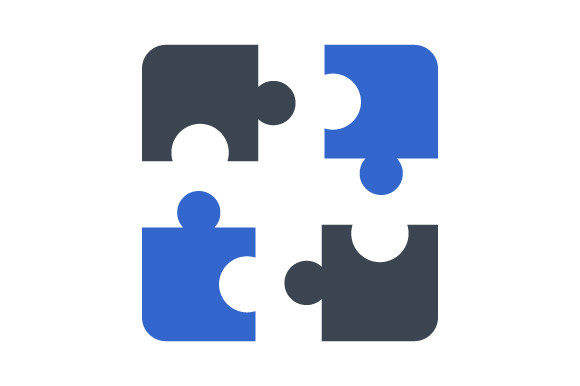
As a designer who regularly works with embroidery files and handcrafted products, I approach each new design with the same question: Will this work in real life? Cooperation, Puzzle Icon is a glyph that immediately catches the eye. It’s clean, geometric, and carries a subtle sense of unity—perfect for projects that need both visual impact and symbolic meaning.
The First Impression
At first glance, Cooperation, Puzzle Icon feels like a modern take on traditional puzzle pieces. The lines are sharp, the angles precise, and the overall composition balanced. There’s a quiet confidence to its design, which suggests it’s meant to be part of something larger. This makes it ideal for projects that aim to convey collaboration or teamwork, such as custom apparel for workplace branding or personalized gifts for families.
The icon’s simplicity also means it doesn’t overwhelm the viewer. It’s not overly detailed, but it still manages to communicate its message clearly. That balance between minimalism and clarity is what makes it so versatile. Whether you’re working with a large hoop or a small patch, it holds up well without needing excessive embellishment.
Real-Life Use Cases
When I imagine using Cooperation, Puzzle Icon in a real project, I think of a custom embroidered tote bag for a local boutique. The icon could sit nicely near the top corner, subtly reinforcing the store’s theme of community and collaboration. It would look great on a light-colored fabric, especially when paired with a contrasting thread color like navy or deep red.
It also fits well with baby clothing. A small embroidered patch featuring the icon could be sewn onto a onesie or a sleep sack, adding a touch of meaningful design without being too busy. The same goes for holiday gifts—think of a personalized tea towel or a decorative apron where the icon can serve as a subtle yet impactful element.
For commercial embroidery projects, this icon is a strong candidate for use in digital embroidery files. Its clean lines make it suitable for both satin stitch and fill stitch techniques, allowing for a variety of applications depending on the desired effect. It’s also great for applique designs, especially when paired with other icons or symbols to create a cohesive set.
Where to Be Cautious
While Cooperation, Puzzle Icon is versatile, there are a few scenarios where it might require extra attention. For instance, using it on small hoop sizes could lead to a loss of detail. The icon’s geometry is delicate, and if the hoop is too small, some of the finer lines may become blurred or distorted during stitching.
Dark fabrics can also pose a challenge. Without proper thread contrast, the icon may not stand out enough. Testing the design on a scrap piece of fabric before committing to a finished product is always a good idea. Similarly, stretchy fabrics like denim or cotton blends may cause the icon to shift slightly after sewing, so using the right stabilizer is crucial.
Another consideration is the use of this icon on curved surfaces, such as caps or hats. While it’s not overly complex, the curvature of the surface could affect how the design lies flat. In these cases, a test run is essential to ensure the final result meets expectations.
Design Impact and Practical Value
Cooperation, Puzzle Icon has a clear visual appeal that translates well into both handmade and commercial projects. Its ability to convey a message without being too literal makes it a valuable asset for designers looking to add depth to their work. From a practical standpoint, it’s easy to stitch and maintains its integrity across various fabric types and hoop sizes.
When it comes to customer trust and brand consistency, this icon offers a reliable foundation. It’s not flashy, but it’s consistent in its messaging, which is important for businesses that rely on recognizable branding. Whether it’s used on a custom sweatshirt or a promotional item, it helps reinforce the identity of the product or service it represents.
Embroidery Designer Notes
Before using Cooperation, Puzzle Icon in a real project, I recommend testing it on scrap fabric. This allows you to see how it performs under different conditions and ensures that the design looks as intended. Checking thread color contrast is also important—especially when working with dark or textured fabrics.
Reviewing stitch density is another key step. Too dense a stitch can cause the design to look cluttered, while too sparse a stitch may make it appear incomplete. Confirming the correct hoop size is equally important, as using an incorrect one can lead to distortion or poor quality.
Inspecting small details, such as corners and edges, is essential for maintaining the icon’s clarity. Testing the design in black and white mockups can help identify any issues with contrast or visibility. Comparing the design on light and dark backgrounds will give you a better idea of how it will look in different contexts.
Using proper stabilizer is a must, especially for delicate or stretchy fabrics. Finally, confirm licensing terms before selling finished items or digital products. Always ensure that you have the right to use the design commercially, whether it’s for Etsy listings, craft fair products, or boutique branding.
Final Thoughts
Cooperation, Puzzle Icon is a thoughtful, versatile design that can enhance a wide range of embroidery projects. Its clean lines and symbolic meaning make it a great choice for both personal and commercial use. As long as you take the time to test and prepare, it can be a valuable addition to your design toolkit.